Buy kompendium.eu ?
We are moving the project
kompendium.eu .
Are you interested in purchasing the domain
kompendium.eu ?
domain@kv-gmbh.de · 0541-91531010
Buy kompendium.eu ?
What does food habitat mean?
Food habitat refers to the specific environment or area where an organism can find the food it needs to survive and thrive. It includes the types of food available, the accessibility of the food source, and the interactions between different species competing for the same resources. Understanding the food habitat of an organism is crucial for conservation efforts and ecosystem management, as it helps in predicting how changes in food availability can impact the population dynamics of species. **
What habitat is the sandy seabed?
The sandy seabed is a habitat found in shallow coastal waters and the deep ocean. It is characterized by a bottom covered in sand particles, with little to no vegetation or coral reefs. This habitat is home to a variety of marine organisms such as sand dollars, flatfish, and certain species of sharks and rays. The sandy seabed provides a substrate for burrowing animals and is an important feeding ground for many species of fish. **


Similar search terms for Habitat
Top-Angebote
Products related to Habitat:
-
Habitat Boucle Sheer Grommet Curtain PanelThis Sheer Curtain is the perfect accent for any room. It is detailed with a delicate boucle-like raised slub texture, which drapes flawlessly and allows natural light to flow through the room creating a sense of airiness and elegance.33,49 $*Shipping: 0,00 $Secure redirect to the provider
-
Habitat Selina Sheer Grommet Curtain PanelInfuse a fresh vibe into your room using our sheer grommet curtain. This delicate and stylish curtain effectively disperses light due to its sheer faux linen material, producing a gentle, inviting radiance in any space.36,95 $*Shipping: 0,00 $Secure redirect to the provider
-
Chaosium Call of Cthulhu 7th Edition Investigator’s Handbook - Tabletop RPG ReferenceExpand your investigations in the Call of Cthulhu role-playing game with this player-focused handbook from Chaosium. It includes over 100 occupations and expanded skill descriptions to help develop characters and conduct investigations.36,49 £*Shipping: 3,95 £Secure redirect to the provider
-
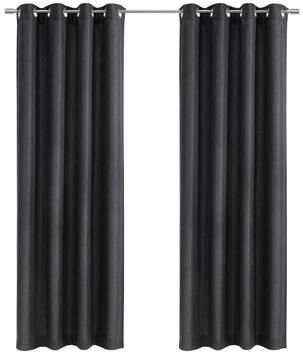
Habitat Bristol Room Darkening Grommet Curtain PanelThis collection's soft textured velvet fabric creates a comfortable and relaxed feel in the room of your choice. Its opaque fabric allows just the right amount of light to pass through while providing some privacy.33,99 $*Shipping: 0,00 $Secure redirect to the provider




-
How do lifespan and habitat influence jellyfish?
Lifespan and habitat play a significant role in influencing jellyfish populations. Different species of jellyfish have varying lifespans, with some living only a few months while others can live for several years. The habitat in which jellyfish reside also impacts their population dynamics, as certain environmental conditions such as temperature, salinity, and food availability can affect their growth and reproduction rates. Additionally, changes in habitat due to human activities, such as pollution and overfishing, can lead to an increase in jellyfish populations in some areas. **
-
How are reptiles adapted to their habitat?
Reptiles are adapted to their habitat in several ways. Some of the key adaptations include: 1. Scales or shells: Reptiles have scales or shells that help protect them from predators and harsh environmental conditions. These structures also help reduce water loss through their skin. 2. Efficient metabolism: Reptiles have a slow metabolism which allows them to survive in environments with limited food resources. They can go for long periods without eating. 3. Behavioral adaptations: Reptiles have developed various behaviors to help them survive in their habitats. For example, some species bask in the sun to regulate their body temperature, while others burrow underground to escape extreme temperatures. 4. Camouflage: Many reptiles have evolved to blend in with their surroundings, making them less visible to predators or prey. 5. Specialized senses: Reptiles have specialized senses such as heat-sensing pits, which help them detect prey or predators in their environment. Overall, these adaptations help reptiles thrive in a wide range of habitats, from deserts to rainforests. **
-
What is the habitat of Corydoras hastatus?
Corydoras hastatus, also known as the dwarf corydoras or pygmy corydoras, is a small freshwater fish native to South America. It is found in the upper Orinoco and Negro river basins in Brazil and Venezuela. These fish inhabit slow-moving, shallow waters with sandy or muddy substrates, as well as areas with dense vegetation and leaf litter. They prefer well-oxygenated water and are often found in small tributaries, streams, and flooded forest areas. **
-
What is a habitat for an aquarium?
A habitat for an aquarium is a carefully designed environment that mimics the natural living conditions of the aquatic species being housed. It includes elements such as water quality, temperature, lighting, plants, rocks, and hiding spots to ensure the health and well-being of the fish or other aquatic animals. Creating a suitable habitat is essential for the inhabitants to thrive and exhibit their natural behaviors. Regular maintenance and monitoring of the habitat are also crucial to keep the aquarium ecosystem stable. **

How have crocodiles adapted to their habitat?
Crocodiles have adapted to their habitat in several ways. Their streamlined bodies and webbed feet help them move swiftly through water, making them efficient hunters. Their ability to regulate their body temperature by basking in the sun or cooling off in the water allows them to thrive in a range of environments. Their powerful jaws and sharp teeth are well-suited for catching and consuming prey, making them top predators in their ecosystems. **
Will grass snakes colonize this new habitat?
It is possible that grass snakes may colonize the new habitat if it provides suitable conditions for their survival, such as food sources, shelter, and suitable climate. Grass snakes are known to adapt to a variety of habitats, including grasslands, wetlands, and forests, so they may be able to establish a population in the new habitat if these requirements are met. However, other factors such as competition with existing species and human disturbances could also impact their ability to colonize the area. **
Top-Angebote
Products related to Habitat:
-
Arcturus Children's Encyclopedia of Animals by Michael Leach Visual Guide to the Animal Kingdom Wildlife & Nature Reference Book for KidsExplore the incredible diversity of the natural world with Children's Encyclopedia of Animals: A Visual Guide to the Animal Kingdom by Michael Leach. Designed as an engaging reference book for young animal enthusiasts, this visual encyclopedia introduces children to the fascinating creatures that share our planet. Readers can discover animals from across the natural world, learning about different species, their characteristics, behaviours, habitats and remarkable adaptations. The accessible reference format makes it easy for children to explore topics that interest them while developing their knowledge of animals, wildlife, habitats and nature. With an emphasis on visual learning, this animal encyclopedia is a useful addition to a child's home reference library. It's ideal for curious young readers who love everything from mammals and birds to reptiles, amphibians, fish and other amazing creatures. Perfect for independent reading, school projects, homework and general knowledge, Children's Encyclopedia of Animals combines learning and discovery in an accessible guide to the animal kingdom. Key Features Comprehensive children's animal encyclopedia Visual guide to the fascinating animal kingdom Written by Michael Leach Introduces children to animals and wildlife from around the world Covers animal characteristics, habitats and behaviour Encourages curiosity about wildlife and the natural world Useful reference resource for school projects and homework Great educational gift for young animal lovers5,99 £*Shipping: 2,99 £Secure redirect to the provider
-
Habitat Crushed Sheer Tab Curtain PanelTransform the charm of your space with this delicately wrinkled sheer curtain. The subtle, relaxed folds exude a vintage-inspired, chic allure that's sure to captivate. Plus, the convenient tab top design makes hanging the curtain a breeze.37,99 $*Shipping: 0,00 $Secure redirect to the provider
-
Habitat Boucle Sheer Grommet Curtain PanelThis Sheer Curtain is the perfect accent for any room. It is detailed with a delicate boucle-like raised slub texture, which drapes flawlessly and allows natural light to flow through the room creating a sense of airiness and elegance.33,49 $*Shipping: 0,00 $Secure redirect to the provider
-
Habitat Selina Sheer Grommet Curtain PanelInfuse a fresh vibe into your room using our sheer grommet curtain. This delicate and stylish curtain effectively disperses light due to its sheer faux linen material, producing a gentle, inviting radiance in any space.36,95 $*Shipping: 0,00 $Secure redirect to the provider
-
What does food habitat mean?
Food habitat refers to the specific environment or area where an organism can find the food it needs to survive and thrive. It includes the types of food available, the accessibility of the food source, and the interactions between different species competing for the same resources. Understanding the food habitat of an organism is crucial for conservation efforts and ecosystem management, as it helps in predicting how changes in food availability can impact the population dynamics of species. **
-
What habitat is the sandy seabed?
The sandy seabed is a habitat found in shallow coastal waters and the deep ocean. It is characterized by a bottom covered in sand particles, with little to no vegetation or coral reefs. This habitat is home to a variety of marine organisms such as sand dollars, flatfish, and certain species of sharks and rays. The sandy seabed provides a substrate for burrowing animals and is an important feeding ground for many species of fish. **
-
How do lifespan and habitat influence jellyfish?
Lifespan and habitat play a significant role in influencing jellyfish populations. Different species of jellyfish have varying lifespans, with some living only a few months while others can live for several years. The habitat in which jellyfish reside also impacts their population dynamics, as certain environmental conditions such as temperature, salinity, and food availability can affect their growth and reproduction rates. Additionally, changes in habitat due to human activities, such as pollution and overfishing, can lead to an increase in jellyfish populations in some areas. **
-
How are reptiles adapted to their habitat?
Reptiles are adapted to their habitat in several ways. Some of the key adaptations include: 1. Scales or shells: Reptiles have scales or shells that help protect them from predators and harsh environmental conditions. These structures also help reduce water loss through their skin. 2. Efficient metabolism: Reptiles have a slow metabolism which allows them to survive in environments with limited food resources. They can go for long periods without eating. 3. Behavioral adaptations: Reptiles have developed various behaviors to help them survive in their habitats. For example, some species bask in the sun to regulate their body temperature, while others burrow underground to escape extreme temperatures. 4. Camouflage: Many reptiles have evolved to blend in with their surroundings, making them less visible to predators or prey. 5. Specialized senses: Reptiles have specialized senses such as heat-sensing pits, which help them detect prey or predators in their environment. Overall, these adaptations help reptiles thrive in a wide range of habitats, from deserts to rainforests. **
Similar search terms for Habitat
-
Chaosium Call of Cthulhu 7th Edition Investigator’s Handbook - Tabletop RPG ReferenceExpand your investigations in the Call of Cthulhu role-playing game with this player-focused handbook from Chaosium. It includes over 100 occupations and expanded skill descriptions to help develop characters and conduct investigations.36,49 £*Shipping: 3,95 £Secure redirect to the provider
-
Habitat Bristol Room Darkening Grommet Curtain PanelThis collection's soft textured velvet fabric creates a comfortable and relaxed feel in the room of your choice. Its opaque fabric allows just the right amount of light to pass through while providing some privacy.33,99 $*Shipping: 0,00 $Secure redirect to the provider
-
Habitat Botanica Light Filtering Grommet Curtain PanelCrafted with a botanical-inspired jacquard pattern, this curtain adds a touch of luxury and sophistication to any room. By bringing the beauty of nature indoors, it creates a serene ambiance.27,98 $*Shipping: 0,00 $Secure redirect to the provider
-
What is the habitat of Corydoras hastatus?
Corydoras hastatus, also known as the dwarf corydoras or pygmy corydoras, is a small freshwater fish native to South America. It is found in the upper Orinoco and Negro river basins in Brazil and Venezuela. These fish inhabit slow-moving, shallow waters with sandy or muddy substrates, as well as areas with dense vegetation and leaf litter. They prefer well-oxygenated water and are often found in small tributaries, streams, and flooded forest areas. **
-
What is a habitat for an aquarium?
A habitat for an aquarium is a carefully designed environment that mimics the natural living conditions of the aquatic species being housed. It includes elements such as water quality, temperature, lighting, plants, rocks, and hiding spots to ensure the health and well-being of the fish or other aquatic animals. Creating a suitable habitat is essential for the inhabitants to thrive and exhibit their natural behaviors. Regular maintenance and monitoring of the habitat are also crucial to keep the aquarium ecosystem stable. **
-
How have crocodiles adapted to their habitat?
Crocodiles have adapted to their habitat in several ways. Their streamlined bodies and webbed feet help them move swiftly through water, making them efficient hunters. Their ability to regulate their body temperature by basking in the sun or cooling off in the water allows them to thrive in a range of environments. Their powerful jaws and sharp teeth are well-suited for catching and consuming prey, making them top predators in their ecosystems. **
-
Will grass snakes colonize this new habitat?
It is possible that grass snakes may colonize the new habitat if it provides suitable conditions for their survival, such as food sources, shelter, and suitable climate. Grass snakes are known to adapt to a variety of habitats, including grasslands, wetlands, and forests, so they may be able to establish a population in the new habitat if these requirements are met. However, other factors such as competition with existing species and human disturbances could also impact their ability to colonize the area. **
* All prices are inclusive of VAT and, if applicable, plus shipping costs. The offer information is based on the details provided by the respective shop and is updated through automated processes. Real-time updates do not occur, so deviations can occur in individual cases. ** Note: Parts of this content were created by AI.